The Mask of a Second Language
April 21, 2026
Writer: Ana Zarate
Editor: Katherine Zubiaur
When people ask how to pronounce my name,—anne-uh or aw-nah— I never know what to say. I usually opt for whichever one comes to mind first, hence why now when people address me, I hear multiple variations of my name, all dependent on the whim I had when introducing myself the day I met them. Other times, when I’m feeling a little more honest, I answer that I don’t care.
My middle name, Rebeca, is the name that feels most like mine. It’s the name I associate with being a kid, hearing my mom call me from another room, my cousins shortening it into nicknames that only make sense in Spanish. Which is why I’ve avoided it deliberately, even defensively. I realized pretty quickly after moving that hearing Rebeca pronounced through an English phonetic lens made me uncomfortable in a way I couldn’t pinpoint at first. It’s still recognizably the same, but something feels off. Ana, with only three letters, gives more room for error, a version of myself I’m willing to let drift a little for the sake of convenience.
Last year, during a discussion for my course “Stories from the Muslim West,” we shared our favorite quotes from the book The Moor’s Account by Laila Lalami. The line I picked was, “A name is precious; it carries inside it a language, a history, a set of traditions, a particular way of looking at the world.” Earlier in the semester, our professor had asked us about the origins of our names—where they came from, what they meant. It was surprising how many of us didn’t know. Names are so constant that we rarely examine them until something disrupts their stability. Growing up, I never had to question what it meant to be addressed by my name, until I started high school in the US, and the rolled R of Rebeca turned into a rhotic one.
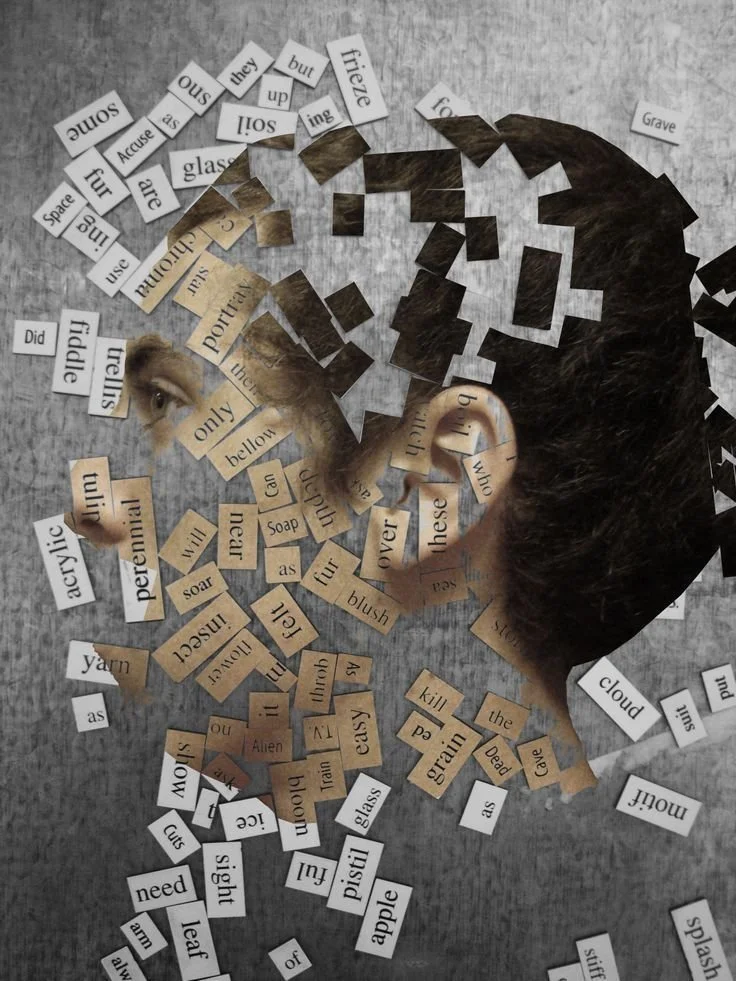
And the thing is, learning a second language goes beyond names, it also bleeds into our way of communicating. I’ve been learning English for half my life now, but it feels as though I still haven’t found a voice. I can write essays, send emails, debate ideas, make jokes, but I don’t feel the freedom I have in Spanish, where the next word, or the arrival of sentences is instinctual. There’s always a layer of awareness underneath everything: Is this correct? Does this sound natural? Am I being understood the way I intend? It has gotten better over the years, as though a part of my brain has accommodated to the language, molded itself to think in English. This, however, seems to come with the cost of being a different person in my second language. English at times feels like a mask; I overshare sometimes, I’ll admit things quickly, tell stories, voice opinions without overthinking them. Part of the issue is that English doesn’t carry the same emotional weight, there's a sense of distance, like whatever I say exists slightly outside of me. Like my words aren’t fully real.
I’m still learning how to feel fully comfortable in English. Writing especially makes me aware of the gap. In Spanish, I don’t question every sentence like I do in English, where sounding like myself is a conscious effort. I still introduce myself as Ana here, Rebeca stays mostly with my family. Both names are mine, even if they live in different places. And maybe having more than one version of yourself isn’t a problem to solve, it’s just what happens when you build a life in more than one language.